




This conversation is based on a recent post in the r/writing subreddit.
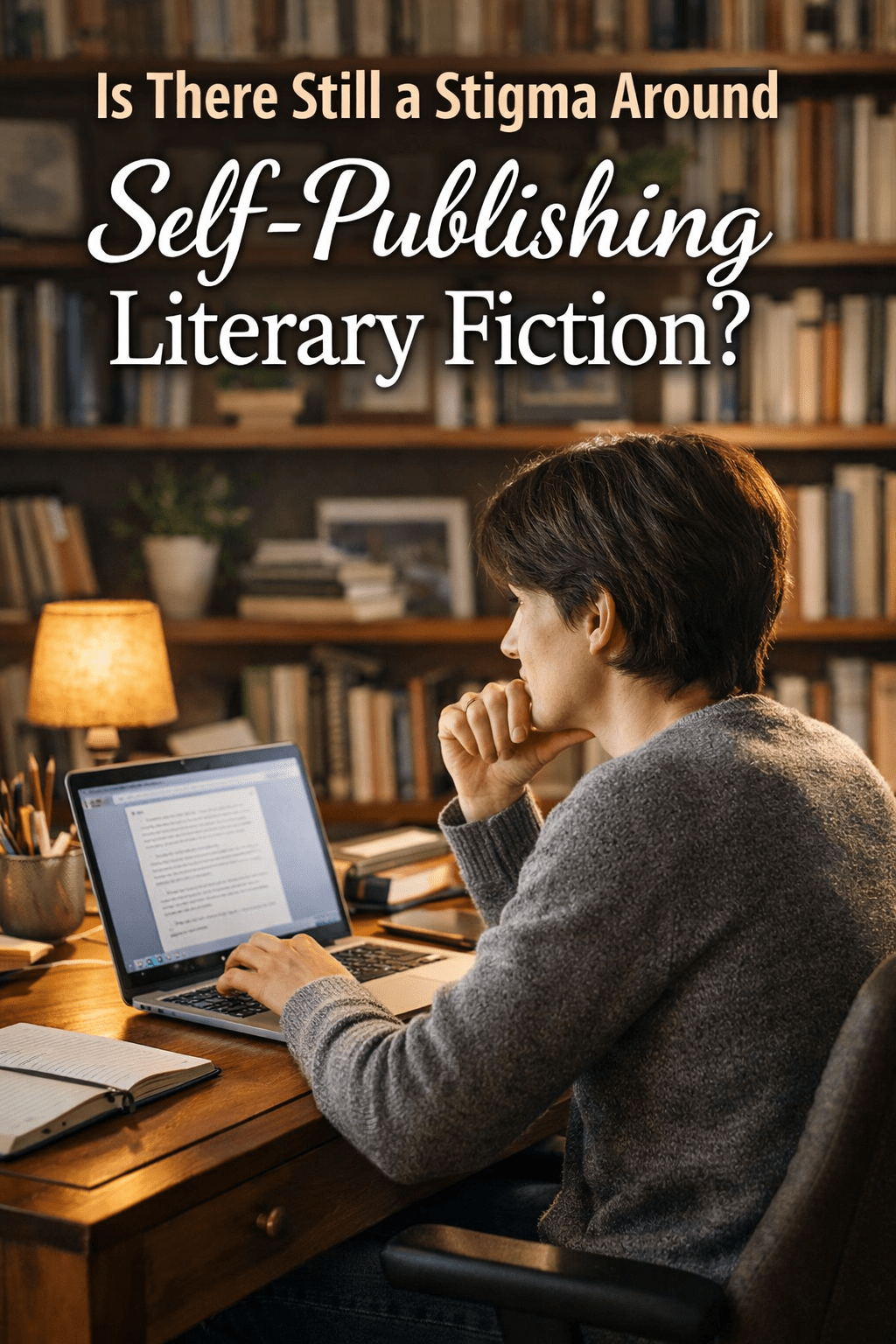
As the publishing landscape evolves, many emerging authors are wrestling with an age-old question: Should I pursue traditional publishing… or go it alone with self-publishing? A recent Reddit thread erupted around this very dilemma, sparked by a creative writing major who’s just finished their literary fiction thesis and is wondering whether to self-publish after graduation — even though their professors strongly discourage it.
The original poster explained that their advisor suggested self-publishing is “fine for genre fiction but not appropriate for serious literary work,” a sentiment the writer found snobbish and discouraging. They contrasted that viewpoint with the realities they see: MFA programs that can saddle students with debt, a tough traditional publishing market, and friends who think the gatekeeping around publishing methods is outdated.
Where the Reddit Community Stands
Responses in the thread spanned the full spectrum, from supportive of traditional pathways to affirming self-publishing’s legitimacy:
- One commenter (M.) backed up the professors’ stance — not out of snobbery, but out of realism about reader expectations for literary fiction: “Self-publishing does its best with genre work… literary fiction doesn’t thrive in that environment.” They also noted that self-published books aren’t vetted by industry professionals in the same way, which can affect how seriously they’re taken.
- Another (L.) pointed out the practical opportunities that traditional paths can offer, noting fully funded MFA programs “give you connections… which were more for employment and residencies.” For them, it isn’t just about validation but about building craft and community.
- Others challenged the assumption that professors always know best. “Academics are just people and aren’t always right,” one commenter (B.) wrote, calling the idea that literary fiction can’t find success via self-publishing “elitist garbage.”
The Heart of the Debate
What makes this conversation interesting isn’t just the differing opinions — it’s the tension between tradition and innovation in publishing.
Traditional routes like MFA programs and securing an agent have long been seen as “legitimate” or prestigious, especially for literary work. That’s partly because traditionally published books go through editorial review, distribution, and (sometimes) eligibility for awards — markers of validation that matter in academic circles.
But self-publishing has transformed dramatically over the last decade. With digital platforms lowering barriers, many authors — particularly in genre fiction — have built audiences without ever querying a publishing house. Some successful self-published genre authors have even been picked up by traditional publishers afterward, which blurs the lines between the two paths.
However, as many commenters in the discussion pointed out, the market realities for literary fiction still make it tough for self-published authors to find an audience, reviews, or mainstream notice on the same scale as their traditionally published peers.
So What Should New Writers Do?
There’s no one “right” answer, but this Reddit thread highlights a few clear takeaways:
- Traditional publishing still carries weight in literary circles — academically and culturally.
- Self-publishing hasn’t lost legitimacy, especially for genre work, but expectations and results can vary widely.
- Very few paths guarantee success — and success itself is subjective. Some writers want professional validation, others want creative control… and many want both.
Final Thought:
Do you think self-publishing deserves the same respect as traditional publishing, especially for literary fiction? Or do you think there’s still a meaningful divide between the two paths — and does it matter to how you view a writer’s work?
What’s your take? Share in the comments below or on social!
 DBN Magazine - Indie book reviews. book awards. author interviews.
One response to “Is There Still a Stigma Around Self-Publishing Literary Fiction?”
[…] by Admin 02/06/202602/06/2026 […]
LikeLike