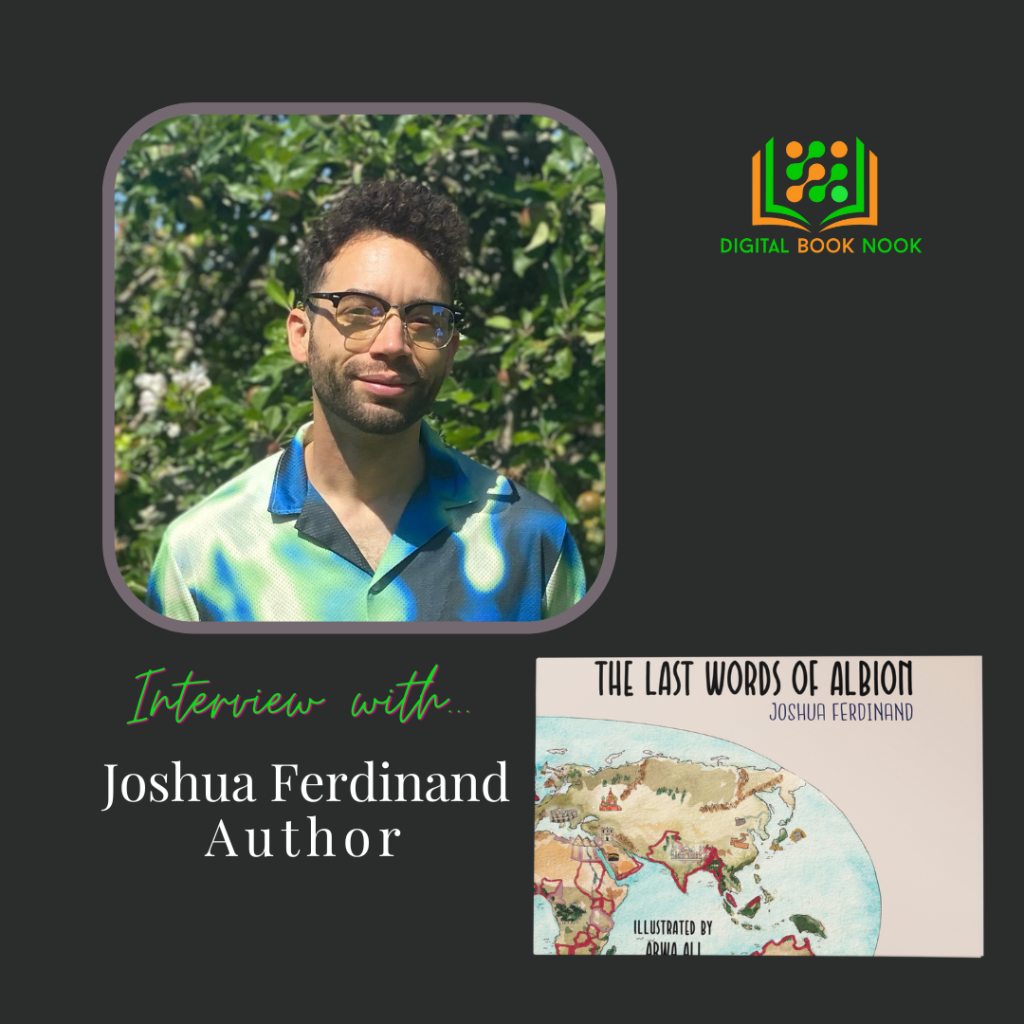





Digital Book Nook recently caught up with Joshua Ferdinand, Author of “The Last Words of Albion.” We are excited to share this insightful interview with our readers today.
When did you first discover that you enjoy writing and wanted to become a published author?
I first discovered my love for storytelling while teaching Key Stage 2 students. Seeing how stories could inspire young minds and create meaningful connections ignited something in me. Writing became a way to reach beyond the classroom and share that magic with a wider audience. That passion eventually led to The Last Words of Albion. I suppose I learned a little about communicating through art studying drama at the University of Greenwich.
What is your favorite and the most challenging aspect of writing?
My favourite part of writing is weaving history, culture, and imagination into something that sparks curiosity and critical thinking. It’s incredibly rewarding to create stories that resonate with readers. The biggest challenge, though, is finding the balance – keeping the story accessible and engaging for young readers while still offering depth and substance for meaningful conversations.
Tell us about your latest release.
The Last Words of Albion is a poetic and visual journey through British history, aimed at children aged 7–12 and their families. It’s told through loose haiku and beautiful illustrations, exploring themes of progress, resilience, and our relationship with nature. The book touches on ethical dilemmas and environmental issues, offering a way for families to reflect together on the choices that shape our world.
How did you come up with the title of your book?
The title, The Last Words of Albion, reflects the cyclical nature of the story—beginning and ending with the same haiku. “Albion” is an ancient name for Britain, and it perfectly captures the beauty, complexity, and history of the land. The title originated in 2015, when the poems were first released as spoken-word music under the same name. Transforming this musical project into a book allowed me to deepen the themes of continuity, change, and the lasting impact of our actions.
What do you hope readers are able to get from reading your story?
I hope readers come away with a greater appreciation for history, culture, and the ethical questions we all face. For young readers, it’s about fostering critical thinking and a love for poetry. For families, it’s about creating moments to reflect and connect, using the story as a way to spark meaningful conversations about our shared past and future. For adults and children alike, it’s about questioning if what civilization means, and if we are truly civilised considering our shared past and future. That’s why the book has such a broad audience of 7-12, some of these themes are deep.
Who are some of your favorite authors?
Roald Dahl – I know, how original however the stories he wrote captivated my childhood. As a child, Dr. Seuss sparked my love for reading with his quirky rhymes and colourful characters. His stories made the world feel larger, more imaginative, and full of possibility. Yet as I grew older, I became aware of the controversy surrounding some of his works, particularly the outdated stereotypes that don’t align with the values of respect and inclusivity his stories seemed to champion.
This realisation hasn’t diminished the joy and inspiration his books gave me but has instead deepened my understanding of how stories shape us and the responsibility storytellers have and I wish we did not cancel this material but had disclaimers and information about why these materials are considered unacceptable with our current level of understanding.
Do you have any advice for writers looking to get published?
I think that’s a better suited question to a far more established and experienced writer than me. A friend of mine runs a publishing company, although if I am honest it depends entirely on your genre.
Follow Joshua: Website | Barnes and Noble | @jtferdinand
About the Author:
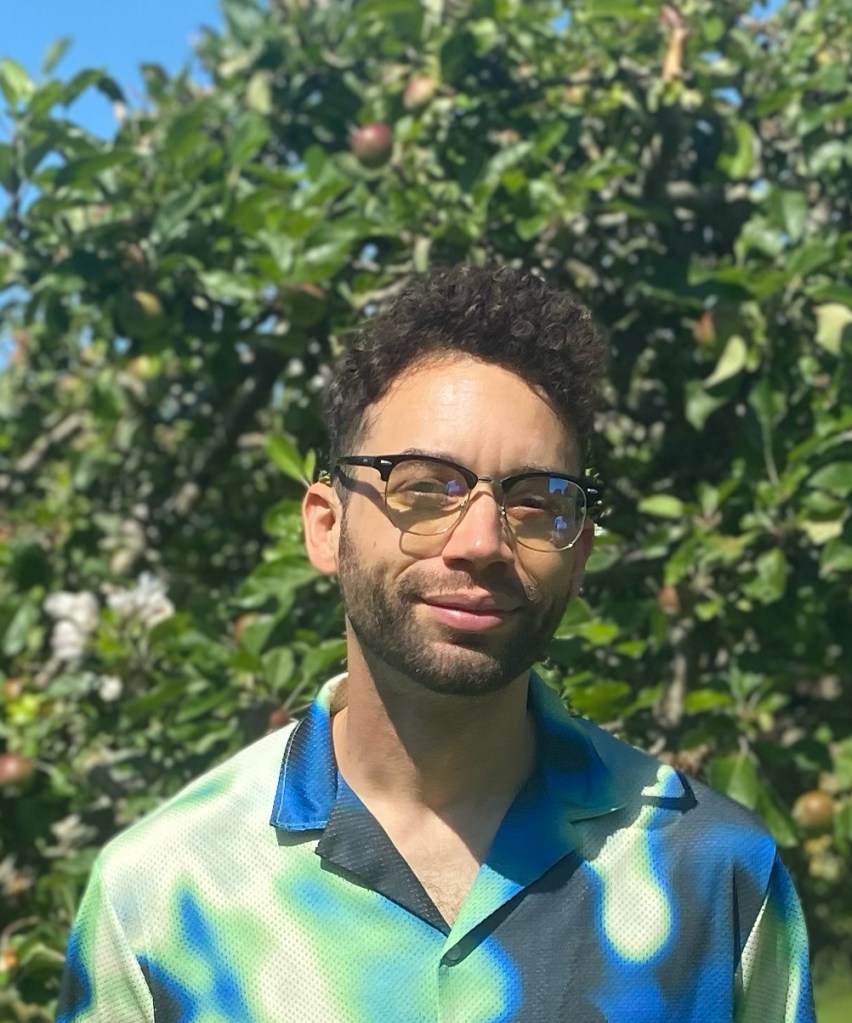
Raised by a single mother on a modest income, Joshua Ferdinand has always valued the power of connection and the importance of learning opportunities. His journey, shaped by resilience and determination, informs the depth and nuance of his work. The Last Words of Albion stands out as a thought-provoking exploration of history and ethics, designed to inspire critical thinking and a lasting appreciation for poetry.
The Last Words of Albion is available at Amazon on Kindle and in Paperback.

 DBN Magazine - Indie book reviews. book awards. author interviews.