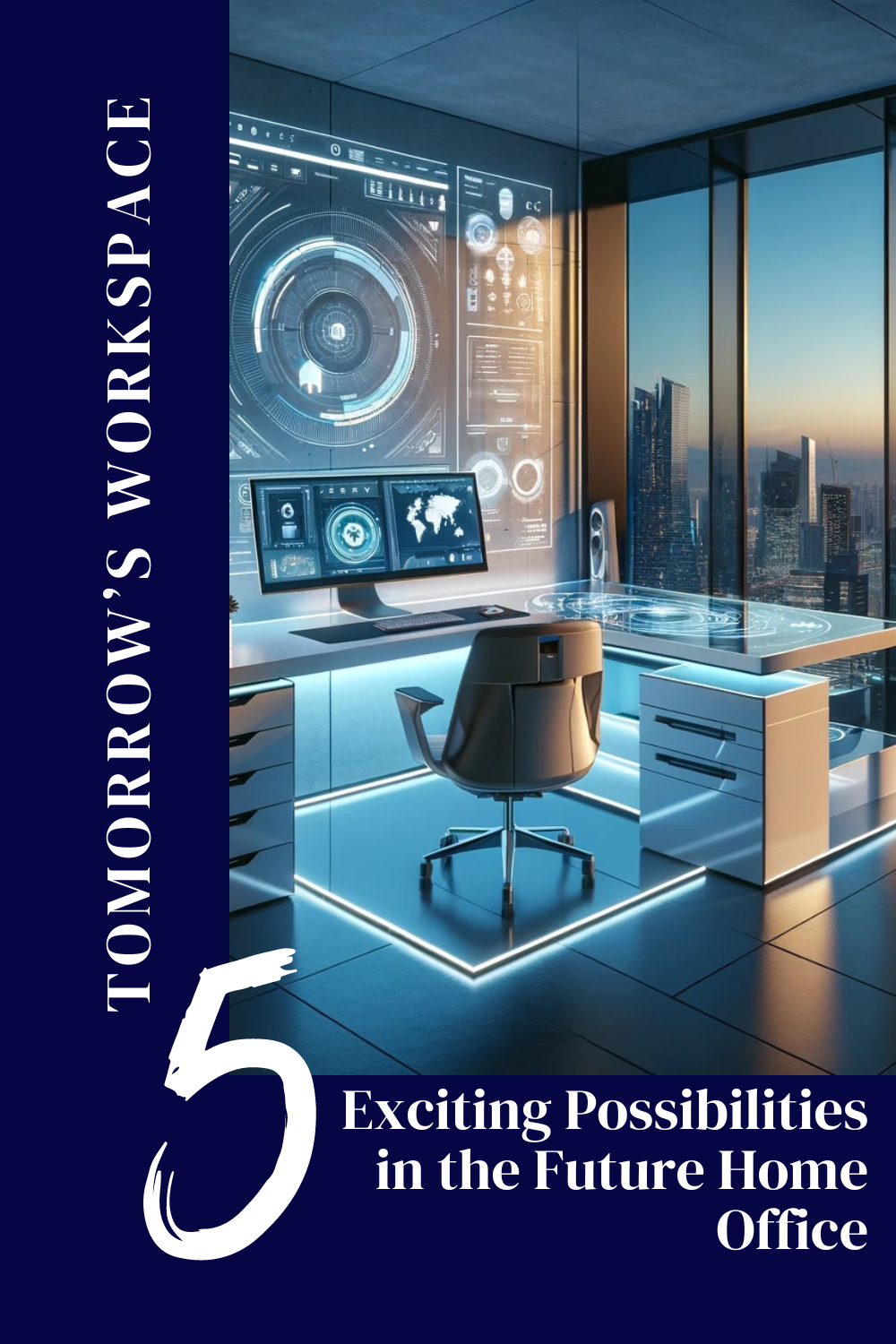












As we navigate through an era of rapid technological advancements and evolving work cultures, the landscape of remote work and home office design continues to undergo transformative shifts. The traditional nine-to-five office setup is gradually giving way to more flexible and decentralized work arrangements, fueled by innovations in communication technology and changing attitudes towards work-life balance. In this blog post, we’ll delve into the emerging trends and technologies that are poised to shape the future of home offices, offering a glimpse into what tomorrow’s workspace may look like.
Virtual Reality Integration
One of the most exciting developments on the horizon for home offices is the integration of virtual reality (VR) technology. Imagine stepping into your home office and being transported to a virtual workspace that feels just like a traditional office environment, complete with interactive screens, virtual colleagues, and immersive productivity tools. VR has the potential to revolutionize remote work by providing a more engaging and collaborative experience, allowing workers to feel connected even when physically apart.
AI-Powered Assistants
Artificial intelligence (AI) is already playing a significant role in streamlining various aspects of our lives, and its impact on home offices is only expected to grow. In the future, AI-powered virtual assistants could become indispensable tools for remote workers, handling everything from scheduling meetings and managing emails to providing personalized productivity recommendations. These intelligent assistants will not only help optimize workflow efficiency but also enhance the overall work-from-home experience.
Modular and Adaptive Workspaces
With the rise of remote work, the concept of the traditional office desk is evolving into more modular and adaptive configurations. Future home offices may feature customizable furniture and workspace layouts that can easily adapt to different tasks and preferences. From height-adjustable desks to modular storage solutions, these versatile workspaces will empower individuals to create environments that cater to their unique needs and working styles.
Sustainable Design Practices
As environmental consciousness continues to grow, sustainable design practices are becoming increasingly important in home office design. Future home offices will prioritize energy efficiency, natural light, and eco-friendly materials, creating spaces that are not only conducive to productivity but also environmentally responsible. From solar-powered gadgets to recycled furniture, sustainability will be a key consideration in the design of tomorrow’s home offices.
Remote Collaboration Tools
Effective collaboration is essential for remote teams, and future home offices will leverage advanced collaboration tools to facilitate seamless communication and teamwork. From virtual whiteboards and collaborative project management platforms to real-time document editing and video conferencing solutions, these tools will enable remote workers to collaborate with colleagues from anywhere in the world as if they were in the same room.
The future of home offices is brimming with possibilities, fueled by a convergence of technological innovation and shifting work paradigms. As remote work continues to gain momentum, the home office of tomorrow will be characterized by virtual reality integration, AI-powered assistants, modular design principles, sustainable practices, and advanced collaboration tools. By embracing these emerging trends and technologies, remote workers can look forward to a future where the boundaries between work and home blur, and productivity soars to new heights in the comfort of their own personalized workspace.
 DBN Magazine - real books. real reviews. real talk.