
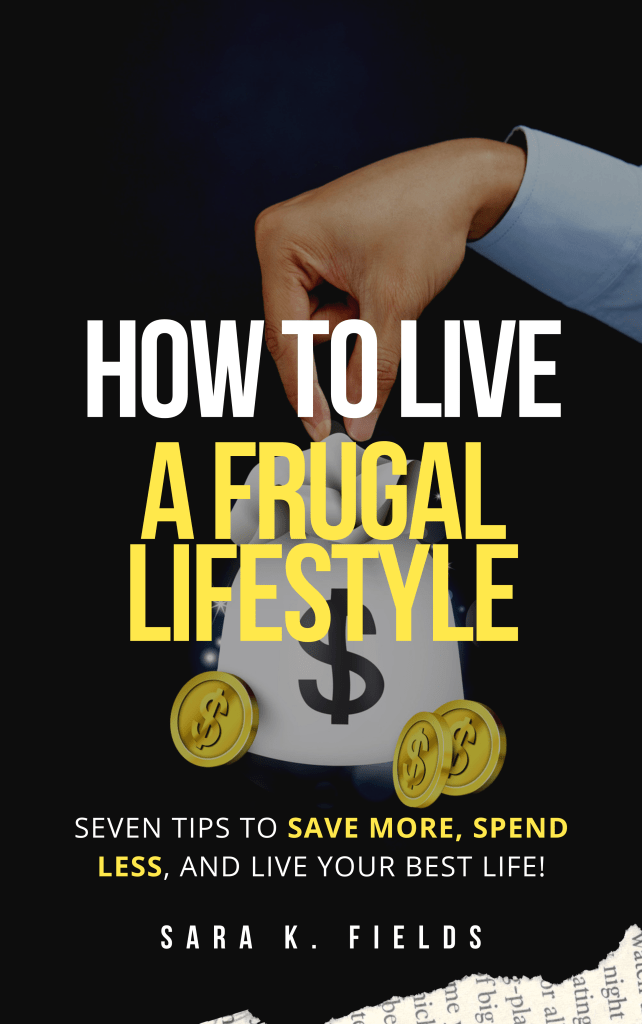










In today’s economy, having enough money to cover expenses is challenging. The soaring costs of housing, food, and gas alone are draining the average person’s wallet! Learning how to control your spending through budgeting is essential, but sometimes you may need to go on a financial “diet” to trim down your costs and learn how to gain better control over your money. Participating in a 30-Day No Spending Challenge can help you regain control of your finances.
A 30-day no-spend challenge is a personal finance challenge where individuals commit to not spending any non-essential money for a period of 30 days. This challenge aims to raise awareness about spending habits, encourage mindful consumption, and save money by avoiding unnecessary purchases.
During the challenge, participants typically refrain from spending money on discretionary items such as dining out, entertainment, clothing, gadgets, and other non-essential purchases. The focus is on differentiating between needs and wants and learning to make intentional spending choices. Essential expenses like bills, groceries, and transportation are usually allowed, but participants aim to minimize them as well.
Benefits of the 30 Day no-spend challenge:
- Savings: By avoiding unnecessary spending, participants can save significant money over the course of the challenge.
- Mindful Consumption: The challenge encourages participants to think twice before making purchases, leading to more thoughtful spending decisions in the future.
- Financial Awareness: Participants become more aware of their spending habits, identifying areas where they tend to overspend.
- Breaking Habits: It can help break the habit of impulse buying and reduce reliance on material possessions for happiness.
- Focus on Priorities: Participants can identify their true priorities and allocate resources accordingly.
- Simplification: The challenge can lead to a simpler lifestyle and reduced clutter.
To successfully complete a 30-day no-spend challenge, participants often set clear rules and guidelines for themselves, establish a budget for necessary expenses, and find alternative ways to enjoy their time without spending money. It requires discipline, planning, and a commitment to stick to the challenge’s principles.
Remember that the specific rules and guidelines for a no-spend challenge can vary based on personal preferences and goals. Some individuals might modify the challenge to suit their needs while reaping the benefits of mindful spending.
How to Start a 30-Day No-Spend Challenge
Starting a 30-day no-spend challenge requires some planning, preparation, and commitment. Here’s a step-by-step guide to help you get started:
Set Clear Goals:
Define why you want to undertake the challenge. Whether it’s to save money, practice mindful spending, or break bad spending habits, having clear goals will motivate you throughout the challenge.
Create Rules and Guidelines:
Determine what expenses are essential (bills, groceries, transportation) and what expenses you’ll cut out (eating out, entertainment, non-essential shopping). Set specific rules and guidelines that align with your goals.
Assess Current Finances:
Take a look at your current financial situation. This will help you identify areas where you tend to overspend and provide a baseline for measuring your progress during the challenge.
Plan Ahead:
Plan your meals, activities, and any potential expenditures in advance. This will help you avoid spontaneous spending and ensure you have alternatives ready.
Notify Others:
Let your friends and family know about your challenge. This way, they can support you and avoid inviting you to activities that might involve spending.
Remove Temptations:
Clear your living space of catalogs, shopping apps, and other triggers that might tempt you to spend. Unsubscribe from marketing emails if necessary.
Find Free Activities:
Research free or low-cost activities you can do during the challenge, such as hiking, reading, watching movies at home, or exploring local parks.
Track Your Progress:
Keep a journal or use a budgeting app to track your spending and record your experiences throughout the challenge. This will help you stay accountable and reflect on your progress.
Stay Motivated:
Remind yourself of your goals regularly. You can create visual reminders or motivational quotes to keep your commitment strong.
Seek Support:
Join online communities or social media groups dedicated to no spend challenges. Sharing your journey and experiences with others can provide motivation and a sense of camaraderie.
Embrace Creativity:
Explore ways to repurpose items you already have, swap items with friends, or borrow instead of buying.
Practice Gratitude:
Use the challenge as an opportunity to appreciate the things you already have and the experiences that don’t require spending money.
Celebrate Milestones:
Acknowledge your achievements along the way. For example, celebrate the halfway mark or the completion of the challenge with a small, non-monetary reward.
Reflect and Learn:
At the end of the challenge, reflect on what you’ve learned, the changes you’ve made, and the impact on your spending habits. This reflection can help you make more informed choices in the future.
Remember that a no-spend challenge is a personal journey, and you can adapt the rules and guidelines to suit your individual circumstances and goals. The key is to approach the challenge with a positive attitude and a willingness to learn and grow.
Photo retrieved from: Pexels.com
 DBN Magazine - Indie book reviews. book awards. author interviews.